https://www.glwd.org/blog/staying-healthy-during-the-holidays/

Tips for a Healthy Holiday Season

Holidays are meant to be a fun, enjoyable time with family and friends. However, they can often bring unwanted stress. This stress can cause people to overlook their own health and ignore their own needs. According to a 2023 survey from the American Heart Association, 51% of people say it takes them weeks to feel less stressed after the holidays and 71% say their biggest regret is not taking time to relax and enjoy the season. Fortunately, incorporating simple healthy habits can help to manage stress and enhance overall well being during the holidays and into the New Year. Find some helpful tips below!

Think Positively

Positive thinking can help manage stress, boost self-esteem, and improve overall well-being. This holiday season, focus on meaningful connections with loved ones, prioritize self-care, and set realistic expectations to avoid feeling overwhelmed.

Practice Mindfulness

Engage your five senses to fully experience the holidays. Take a walk to admire colorful lights, listen to your favorite holiday song, smell the pine needles from a Christmas tree, savor traditional holiday foods, and feel the cool winter air on your face. Take a deep breath and reflect on something you’re grateful for during this holiday season.

Get More Movement

Incorporate physical activities that feel enjoyable into your daily routine. Exercise is an effective stress reliever, and any amount of movement counts! Make a commitment to include a variety of healthy activities, such as going for a short walk, doing active chores around the house, dancing, or trying low-impact movements like stretching, walking in place, or gentle arm circles. Remember to listen to your body and stop any activity that causes pain.

Take Time to Recharge

Relaxation is a process that reduces the impact of stress on your mind and body. Make time to unwind this holiday season and engage in activities that promote relaxation. Consider taking a nap, meditating, eating nourishing food, reading a book, lighting candles, listening to music, or watching your favorite movie.

Maintain a Healthy Eating Pattern!

  • Build a healthy holiday plate! Fill half of your plate with non-starchy vegetables, ¼ lean protein, and the remaining ¼ with carbohydrates.
  • Limit desserts that are high in calories and added sugar. Add more fruit to your dessert plates.
  • Bring a healthy side dish or appetizer to a holiday celebration. Try Caprese Skewers, the recipe below is festive and requires few ingredients.

Recipe: Caprese Skewers

Total Time: 10 minutes 

Yield: 12 Kabobs 

Ingredients 

  • 24 grape tomatoes
  • 12 cherry-size fresh mozzarella cheese balls
  • 24 fresh basil leaves
  • 2 tablespoons olive oil
  • 2 teaspoons balsamic vinegar

Directions 

  1. On each of 12 appetizer skewers, alternately thread 2 tomatoes, 1 cheese ball and 2 basil leaves.
  2. Whisk olive oil and vinegar; drizzle over kabobs.

Nutrition Facts 

1 kabob: 44 calories, 4g fat (1g saturated fat), 5mg cholesterol, 10mg sodium, 2g carbohydrate (1g sugars, 0 fiber), 1g protein.

Source: https://www.tasteofhome.com/recipes/caprese-salad-kabobs 

Maintain a Healthy Eating Pattern (cont'd)

  • Add more vegetables to appetizer plates.
  • Have a healthy snack before attending holiday parties. A snack before the gathering can prevent overeating at the party
  • Stay hydrated! Remember to drink throughout the day.
  • Choose beverages wisely. Limit intake of high calorie, sugar sweetened drinks and alcohol. Choose water, seltzer, and unsweetened beverages. Make a mocktail with seltzer and 100% cranberry juice or fruit slices.
  • Enjoy your holiday meal! Slow down and savor each bite. Eating more slowly can help with digestion and prevent overeating.

Gathering and sharing meals with family and friends is part of many holiday celebrations. It is important to practice food safety all year long including holidays and special occasions. Follow these tips to help prevent food borne illness:

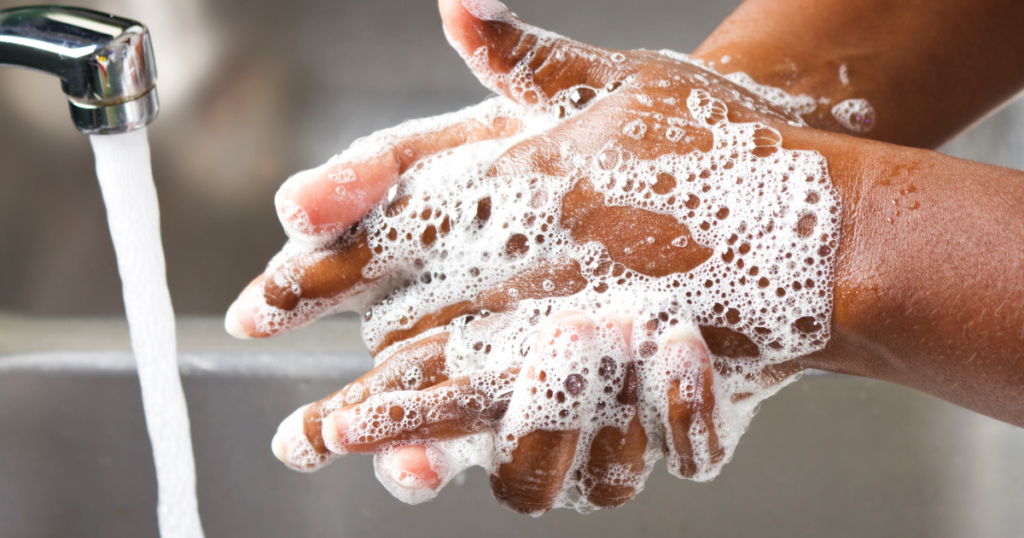
  • Wash hands with soap and hot water for at least 20 seconds before, during, and after meal preparation, and before eating

  • Thaw food safely in the refrigerator inside of a container or sealed plastic bags to prevent juices from leaking onto other food or in the microwave. Never thaw food by leaving it out at room temperature. When left at room temperature, bacteria can grow rapidly.
  • Keep raw meat, poultry, seafood and eggs away from cooked or fresh ready to eat foods. Use separate cutting boards for raw animal meat products.
  • Wash cutting boards, surfaces, and utensils in hot soapy water after each use.
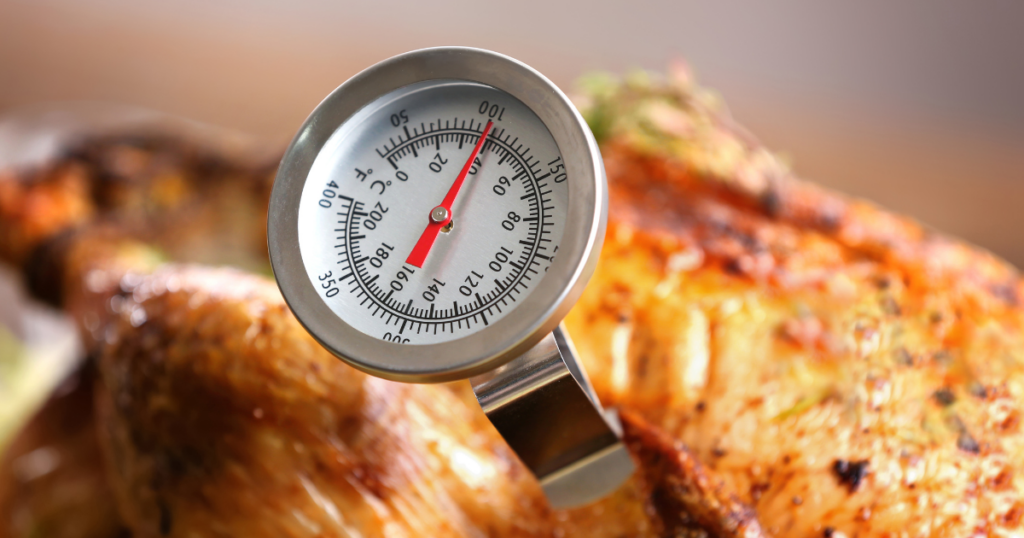
  • Use a thermometer and cook food to safe internal temperatures to kill bacteria that can cause food borne illness.

  • Keep foods at safe temperatures during transport and service. Keep hot foods hot and cold foods cold.
  • Keep leftovers safe. Refrigerate or freeze perishable leftovers in small portions within 2 hours of cooking.
  • Reheat all leftovers to at least 165 degrees before serving.
  • Freeze or discard refrigerated leftovers that can’t be eaten within 3 to 4 days.

Set SMART Goals Instead of Resolutions

SMART goals are specific, measurable, achievable, relevant, and time-bound. They provide more structure compared to a typical resolution. A resolution may sound more general. For instance, “I want to eat more fruits and vegetables.” A SMART goal will be more precise. For instance, “I will incorporate one piece of fruit at breakfast and one serving of vegetables at lunch and dinner for 5 days a week over the next month.”

Break Down Goals into Smaller Steps 

It can be daunting to think about achieving a large goal. Set yourself up for success by breaking it down into more manageable steps. This approach makes your goals feel more attainable and helps you progress consistently.

Keep Your Goals Visible 

Writing down your goals increases the likelihood of achieving them. Display your goals in a prominent place so you can see them regularly and stay motivated to make progress.

Be Kind to Yourself 

Life often doesn’t go as planned. Be flexible and adjust your goals or timeline if necessary. Reflect on the obstacles you faced and how you might approach things differently next time. Change can be challenging! Focus on progress, not perfection.

Related Blog Posts

+ View All